In March 2021, China sanctioned European individuals and entities in retaliation for EU sanctions against Chinese individuals and entities involved in the persecution and mass detention of Uyghurs in Xinjiang. This episode led to the freezing of the EU-China Comprehensive Agreement on Investment (CAI) and marked a turning point in EU-China economic (and political) relations. Europes strategic mistrust of China has been further compounded by Beijings response to the COVID 19 pandemic and, most notably, its indirect support of Russias war of aggression in Ukraine. Moreover, the COVID and Ukraine crises have raised concerns across Europe about supply chain and economic security. These concerns dovetail with an intensification of US-China competition, and a strengthening of transatlantic coordination on China, particularly on issues of economic security and cooperation in strategic technology governance.
All in all, China has taken centre stage in the context of broader European discussions about the need to reduce economic vulnerabilities and strategic dependencies. At the same time, Beijing is engaging in a
diplomatic charm offensive in Europe, highlighting the benefits of economic engagement, the preservation of a multilateral global economic system, and enhanced political cooperation to tackle global problems such as climate change. These contradictory pressures are compounded by the fact that different European actors have different European perceptions of China, which in turn raises questions about the existence of a coherent European approach to China - let alone a transatlantic one.
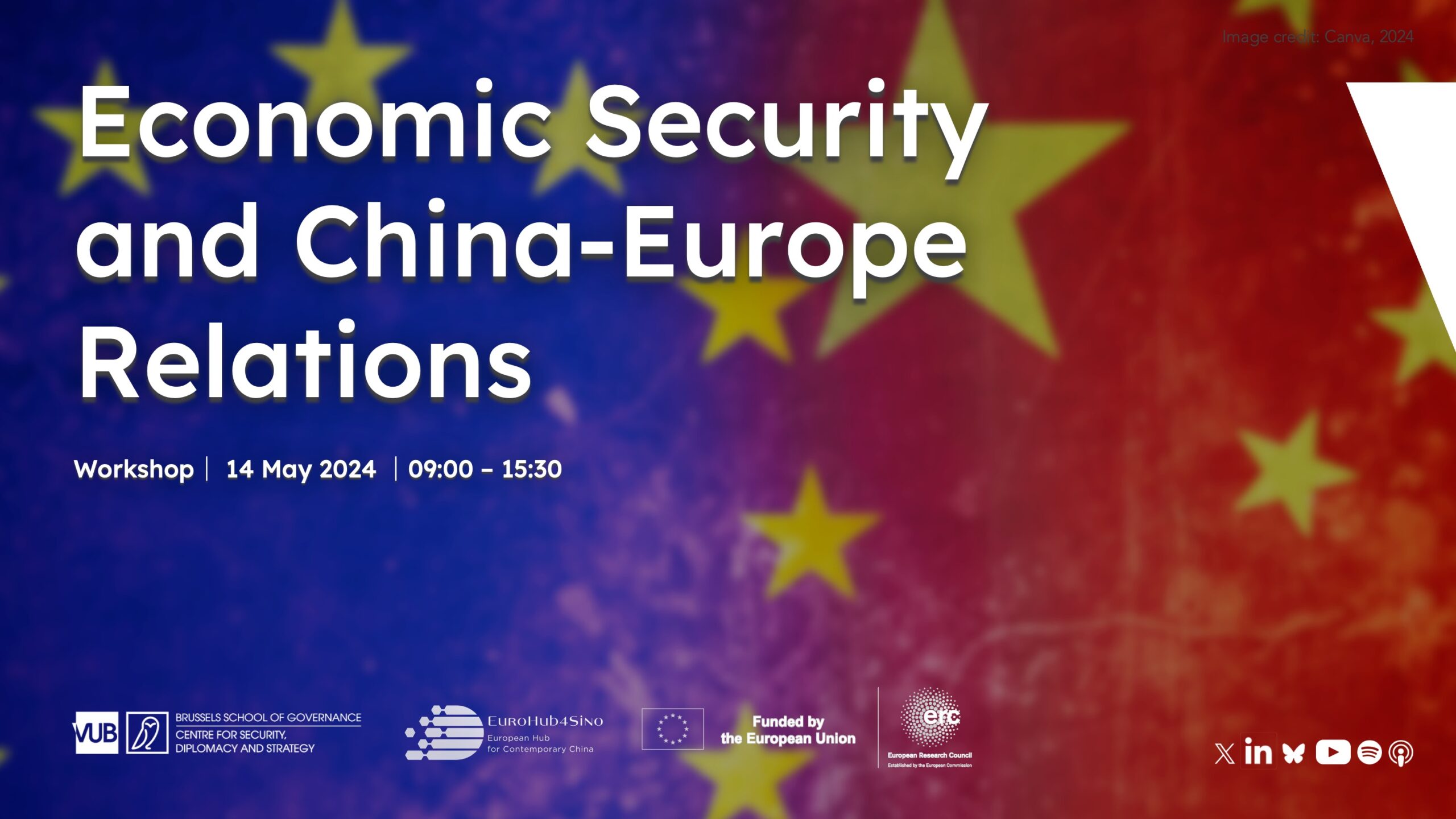
The workshop attempted to unpack the nexus between economic security and Europe-China relations, by zooming in on Chinas goals and objectives in Europe; the relative weight of economic and political considerations in Europes evolving approach towards China; and the role of the United States in Europe-China economic and political relations. The first panel focused on the political and strategic aspects of the Europe-China relationship; the second panel zoomed in specifically on trade and investment, and touched on the broader question of Chinese economic influence in Europe; and the third was on strategic technologies.